The year-end and New Year season marks a shared turning point for people around the world. Yet the ways it is celebrated vary remarkably by country, culture, and region. By comparing New Year traditions across nations, this article focuses on who people celebrate with—and the mood in which they welcome the New Year.
🌍 If you're reading the World Culture Comparison Series, saving it is recommended👇
On iPhone/iPad: Share → Add to Home Screen .
Compare seasons, cultures, and lifestyles around the world anytime 🌏✨
What makes New Year's celebrations around the world so different?
The year-end and New Year period is a turning point that arrives the same way all over the world. However, the way it is welcomed varies greatly depending on the country, region, religion, and family structure.
Some countries celebrate the new year by staying up all night at large parties, while others quietly gather around the dinner table with family, spending time much like any other day. There are even cultures that treat the year-end and New Year period not as special events, but simply as an extension of everyday life.
These differences go beyond just the surface-level question of what events to hold. They reveal the values held by each country and region, as well as the sense of personal space between people—who you spend time with, what words you exchange, and what you prioritize as you welcome the New Year.
This article compares how people around the world spend the year-end and New Year holidays,More than what you do, it's with whom and in what spirit you welcome the New Year.We focus on these differences. Understanding them should also provide an opportunity to take a fresh look at Japan's year-end and New Year traditions.
Countries that celebrate the year-end and New Year period as a ”major event”
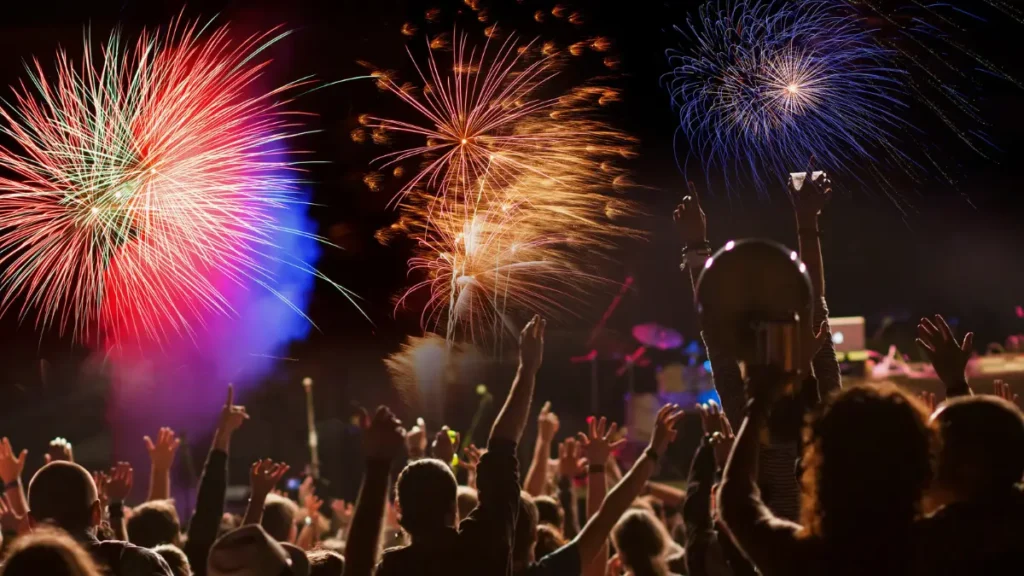
Many countries view the year-end and New Year period as one of the most significant events of the year. In these nations, the New Year is not quietly welcomed, but rather positioned as a time for people to gather, share time together, and celebrate grandly.
What they share in common is staying up late into the night, spending time with large groups, and sharing the excitement of the moment. New Year's is less about personal milestones and more about...The time of celebration welcomed by the groupexists as.
- 🇿🇦 South Africa|Celebrating Through the Night: New Year's Party Culture
-
In South Africa, many people spend New Year's Eve at parties.
It's not uncommon to attend invitation-only private parties or rent a house near a large event venue to gather with friends for an overnight stay.
Start the party at home, head out to an event partway through, and ring in the New Year right there—just like that.The time we spend together through the nightHowever, it is treasured as a New Year's memory.
- 🇵🇭 Philippines|A New Year overflowing with blessings and a culture of sharing
-
The year-end and New Year holidays in the Philippines are a very lively time centered around the dining table.
One of the signature dishes is roast suckling pig, known as lechon. Any leftover lechon is simmered in vinegar and soy sauce to make lechon pak siu, ensuring nothing goes to waste. Any remaining portions are sometimes given to guests to take home.
In wealthy households, there is also a custom of throwing money like confetti to the people gathered outside the house, distributing it to them. The New Year is,A time to share abundance and good fortune with others, not hoard it for oneselfis celebrated as.
- 🇮🇳India|An Energetic New Year Celebrated All Night Long
-
In India, many people head to nightclubs or parties on New Year's Eve and celebrate the new year all night long. Surrounded by music and the excitement of the crowd, this style of welcoming the new year is incredibly energetic.
The New Year is an occasion to exchange good wishes not only with family but also with friends.The number of people with whom to share joyHowever, this contributes to the bustling atmosphere of the year-end and New Year period.
What these types of countries have in common is that they view the New Year not as a time for solitary reflection, but as a festive occasion for gathering with others and sharing emotions and excitement.
The moment the year changes is not met in silence, but rather amidst cheers, music, and the fervor of people. The new year is not something you start alone,Something we embark on together with many peopleis celebrated as.
Quietly welcoming the New Year holidays with family
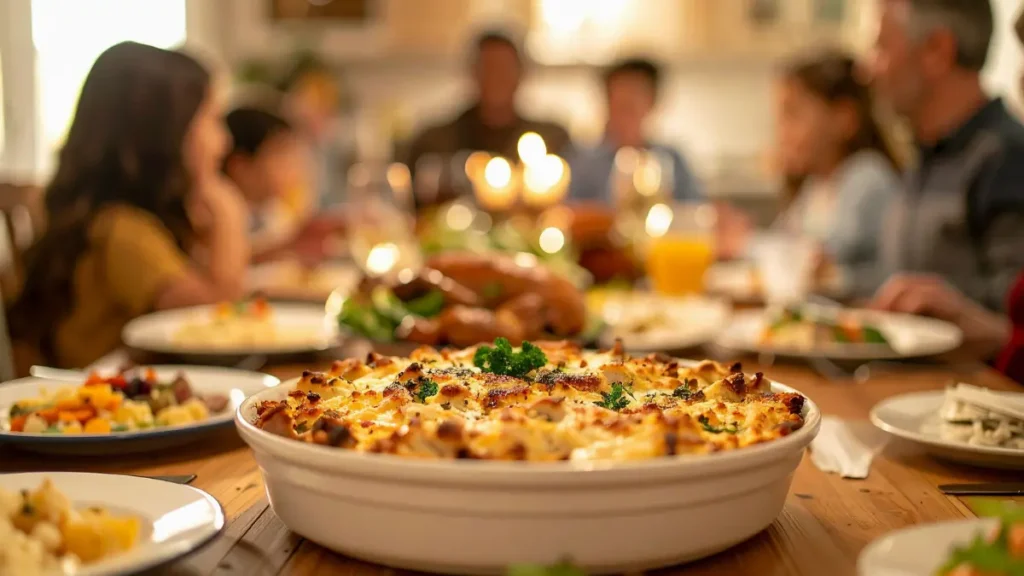
Some countries welcome the New Year not with lively events, but as a peaceful time spent with family. In these countries, the New Year is more about quiet moments together than elaborate celebrations.Who you spend time with in the same spaceis emphasized.
Even without flashy countdowns or large gatherings, simply sitting around the table, sharing words, and spending time together is what makes welcoming the New Year meaningful.
- 🇬🇧 United Kingdom | A quiet holiday for cherishing family time
-
In the UK, Christmas is highly valued as a family occasion. On Christmas morning, families open presents together, and in the afternoon, they may visit relatives or other family homes. In the evening, it's common for the whole family to gather and enjoy Christmas dinner.
While some people host parties on New Year's Eve, the overall New Year's period is fundamentally centered around spending quiet time with family.
In some parts of Britain, particularly the northeast, unique traditions associated with the New Year are still passed down to this day.
That is,The first visitor to one's home in the New Year brings good fortune for the year.It is believed that the person who first steps through the front door will determine the family's fortune for the year. Consequently, family members or close friends who are thought to bring good luck are often chosen for this role.
This custom is not common throughout the whole of Britain, but rather a local culture rooted in specific regions. From such traditions, one senses a value system that has cherished the New Year not merely as a change of date, but as a significant milestone welcomed within the context of relationships with others.
Being chosen as the first visitor of the New Year is both an honor and a sign of trust. The very act of welcoming someone at the start of the year symbolizes the connection between people.
- 🇮🇳India|A New Year that is special yet an extension of everyday life
-
In India, while some people celebrate the New Year at large parties, many others spend it with their families as usual.
At my friend's house, they sometimes spend time with their parents, watching TV or having casual conversations, and let the evening end naturally without any special arrangements.
The New Year is not seen as a break from everyday life, but rather as a milestone that extends the time spent with family.
- 🇲🇦 Morocco|Family meals cherished even on non-holidays

In Morocco, Christmas is not a common family holiday. As an Islamic country, Christmas, a Christian holiday, is not celebrated; its atmosphere is only visible in tourist areas and places catering to foreigners.
While New Year's isn't a major holiday like it is in Japan, many people gather with family and spend time relaxing. Even without special events, the time spent sharing a large tagine dish with family is cherished.
Though the scale of the holiday may be small, the weight of the time spent gathering as a family around the table remains unchanged. The New Year is welcomed as a quiet yet distinctly warm time.
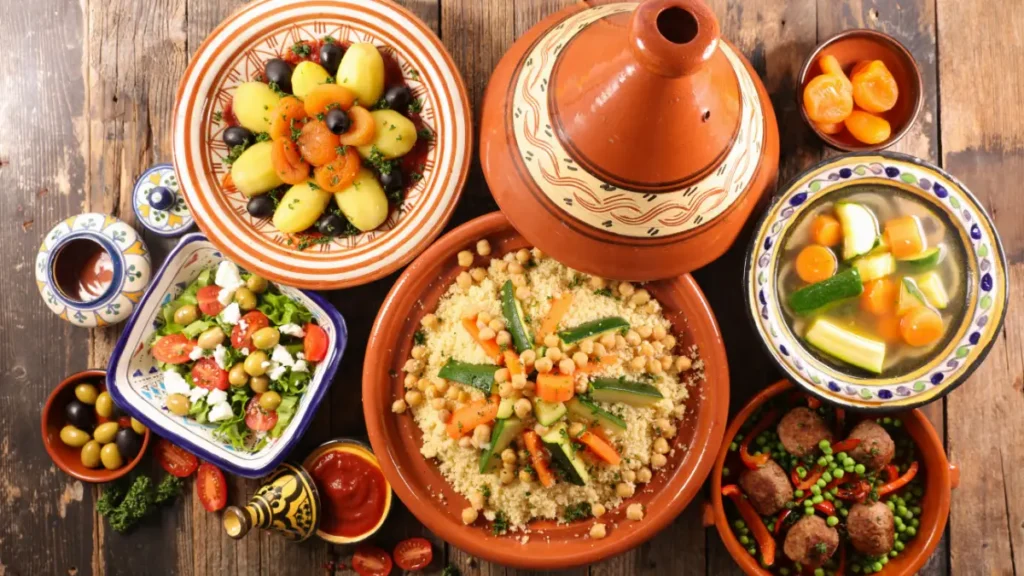
What the quiet New Year's celebrations spent with family have in common is that they are seen not as events to celebrate the new year with fanfare, but as milestones for spending time together with those close to them.
The new year does not begin with loud noises or grand displays, but quietly unfolds amid ordinary conversations and shared meals. There,The value of cherishing the act of being together itselfbreathes life.
The diverse New Year's holidays, with no set form
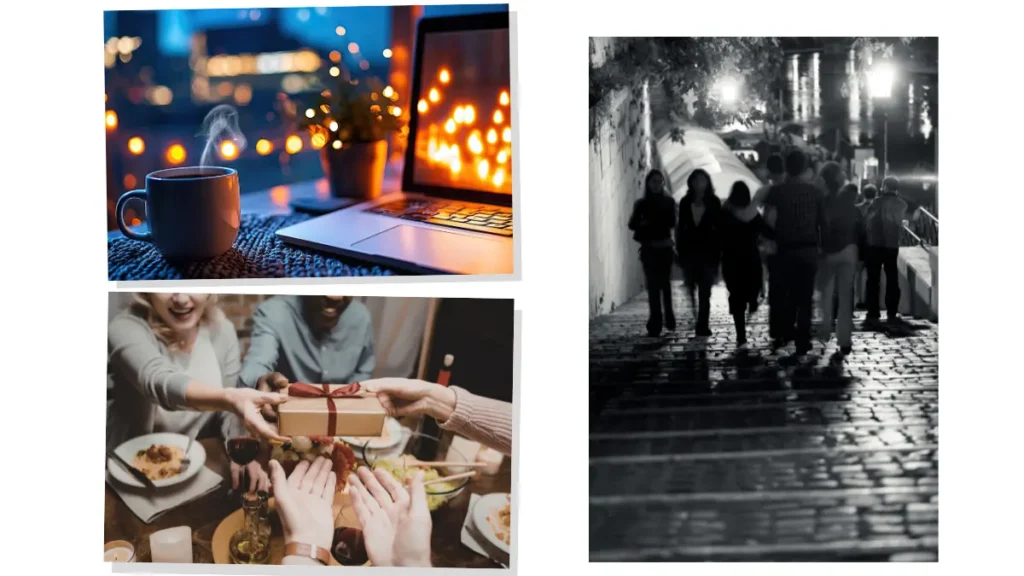
How to spend the year-end and New Year holidays,There is no distinct pattern.There are also countries where the way the New Year is celebrated is left to the choice of families and individuals, and people are not bound by specific events or rules.
Some spend it quietly with family, while others go out with friends. The New Year is welcomed in many different ways, even within the same country.
- 🇸🇬 Singapore|How Each Family Celebrates the New Year
-
In Singapore, there are no strict rules about how to spend the year-end and New Year holidays, and the way families celebrate varies greatly.
Some people spend New Year's Eve at home with their families, while others go out with friends to countdown events. The New Year can be welcomed as a family occasion or celebrated noisily outside.
This diversity is a defining feature of Singapore, a multicultural society. The New Year is not celebrated according to a fixed format, but rather in ways that suit each family and their relationships.
- 🇮🇩 Indonesia|Gathering Together for a Simple New Year
-
In Indonesia, special New Year's dishes or set traditions are not commonly prepared during the year-end and New Year period.
Instead, many people are said to welcome the New Year in simpler ways, such as gathering with family and friends to enjoy conversation while grilling meat.
The New Year is seen as a time to cherish the time spent together rather than formal rituals.
What the year-end and New Year holidays have in common, despite having no set form, is thatDo not define how the New Year should be welcomed.Posture.
Who you spend it with and where you celebrate is up to each individual. New Year's is embraced more as a personal or family choice than as a society-wide event.
Even within the same country, there isn't just one culture.
Looking at year-end and New Year's traditions across countries, you'll notice differences in how people spend their time and their perspectives even within the same nation. Culture doesn't exist uniformly at the national level; it takes shape based on relationships within regions, families, and among individuals.
Here,The Diversity of New Year's Celebrations Within the Same CountryLet's take a closer look at.
- 🇬🇧 United Kingdom|The tradition of the first visitor of the New Year remaining in the region
In some parts of Britain, particularly the northeast, unique traditions associated with the New Year are still passed down to this day.
It is believed that the first person to visit a home in the New Year brings good fortune for the year ahead. The fortune of the year is said to be determined by who first crosses the threshold, and it is customary for a family member or close friend to be that first visitor.A lucky charmPeople who are thought to be such may also be noticed.
This custom is not common throughout the whole of Britain; it is a local culture rooted in specific regions. That said, the importance placed on who one spends New Year's Eve with reflects a value system that has long welcomed the start of the year within human connections.
Being chosen as the first visitor of the New Year is both an honor and a testament of trust. The very act of welcoming someone at the start of the year symbolizes the relationship between people.
- 🇮🇳 India|A New Year Celebrated by Some, Spent Quietly by Others
-
In India, while some people celebrate the New Year with grand parties, many others spend it with their families as usual.
While some people go out to nightclubs and events to celebrate all night long, other families quietly end the night watching TV with their parents. It's not uncommon to welcome the New Year as an extension of everyday life, without any special events.
This difference stems from religious, regional, and family-specific values. In India, the New Year is not celebrated in one fixed form, but is welcomed in ways that blend into each person's daily life.

Even within the same country, there is no single way to spend the year-end and New Year holidays. How people welcome the New Year naturally varies depending on the region, the household, and their relationships with others.
By learning about this diversity, the year-end and New Year holidays around the world come into sharper focus.
Summary|What Comparing New Year's Celebrations Around the World Reveals
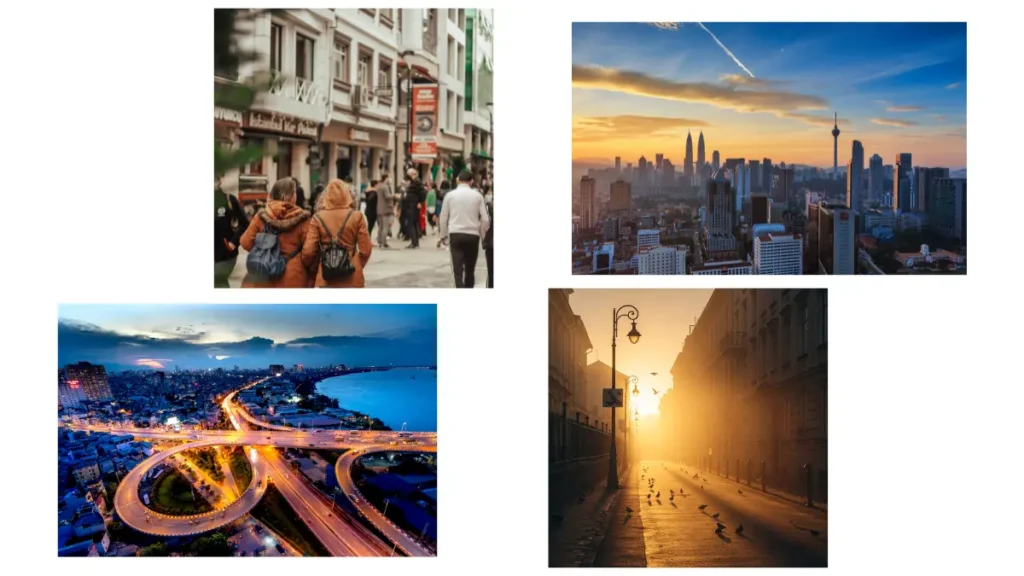
The year-end and New Year period is a universal turning point that arrives equally for every country. However, observing how people spend this time reveals significant differences between nations and regions—whether the New Year holds profound significance or is simply welcomed as a natural extension of daily life.
Some countries gather people all night long, welcoming the New Year as a festival, while others quietly share a meal with family, cherishing time that feels just like any other day. There are also cultures without fixed traditions, leaving the celebration entirely up to the individual's choice.
These differences stem less from the events themselves than fromWho will I spend time with? What kind of distance will I maintain in my relationships? What do I want to prioritize as I begin this year?This difference in values may be the source of it.
Learning about New Year's traditions around the world should give you a chance to reconsider the meaning of Japan's New Year celebrations and how you personally prefer to welcome the new year. What kind of feelings do you want to carry into the new year this time?
Related Articles :
- How Winter Differs Around the World — Real Seasonal Life in Japan and Eight Other Countries
- Are There Countries Without Autumn? — A Deep Dive into Seasonal Differences Between Japan and the World

On iPhone / iPad, go to Share → Add to Home Screen .
Discover seasonal events and lifestyle differences with just one tap📦✨
※The information on this page is based on research and interviews conducted as of January 2026. Climate and event dates are subject to change; please check the latest information with the local tourism bureau or official announcements.