
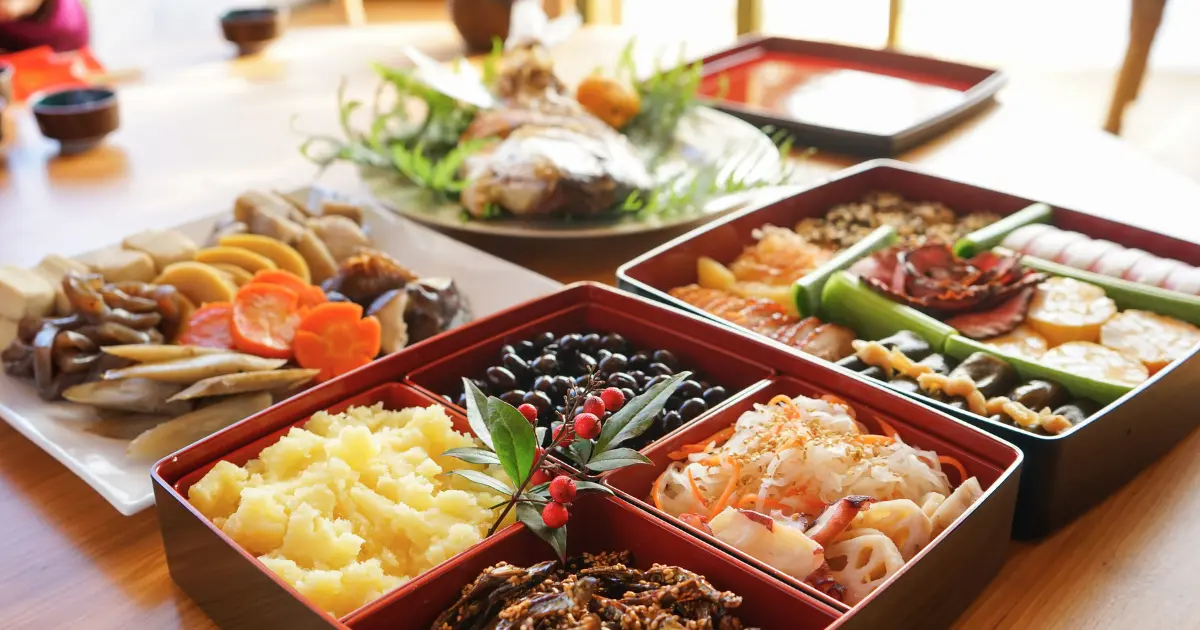
Osechi is a traditional food eaten during the Japanese New Year. But why do people prepare this special meal every year? In this article, we gently explore the meaning and origins of osechi ryori, and what eating osechi represents in Japanese life today.
🔖 For a quiet moment when you want to return to this article.
On iPhone/iPad: Share → Add to Home Screen .
You can revisit articles on Japanese culture and the seasons whenever you feel like slowing down.
Osechi Is Not Just Food — It Is the Time of the New Year Itself
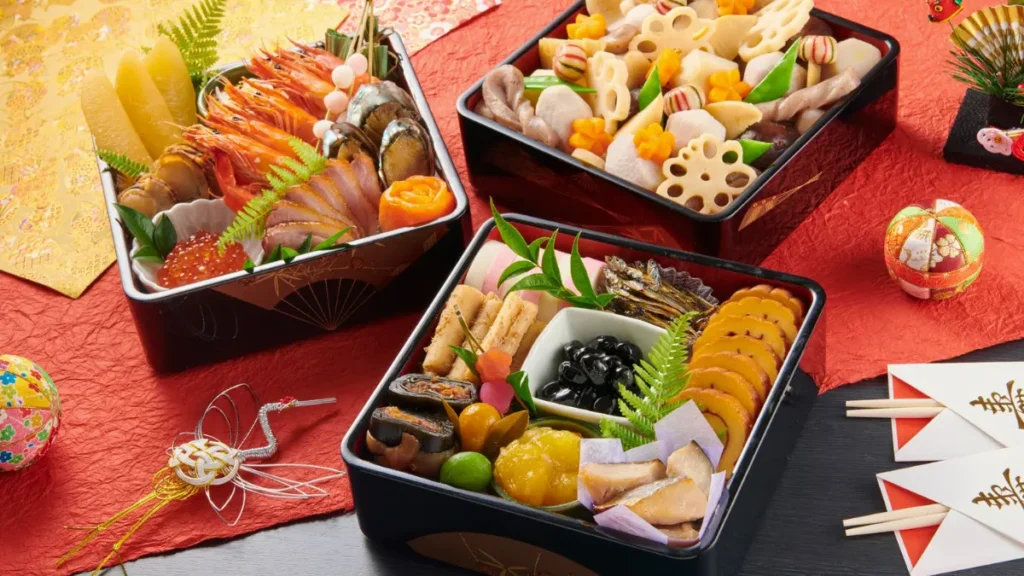
During the year-end and New Year's holidays, time flows a little differently than usual. Work stops, the atmosphere of the city changes, and feelings become somewhat quieter.
Osechi gently marks the beginning of a special time at the start of the year.
Osechi is not just a traditional dish, nor is it an obligation.It is a culture of greeting the beginning of the year with care.
The Origins of Osechi — A Tradition Rooted in “Osechiku”
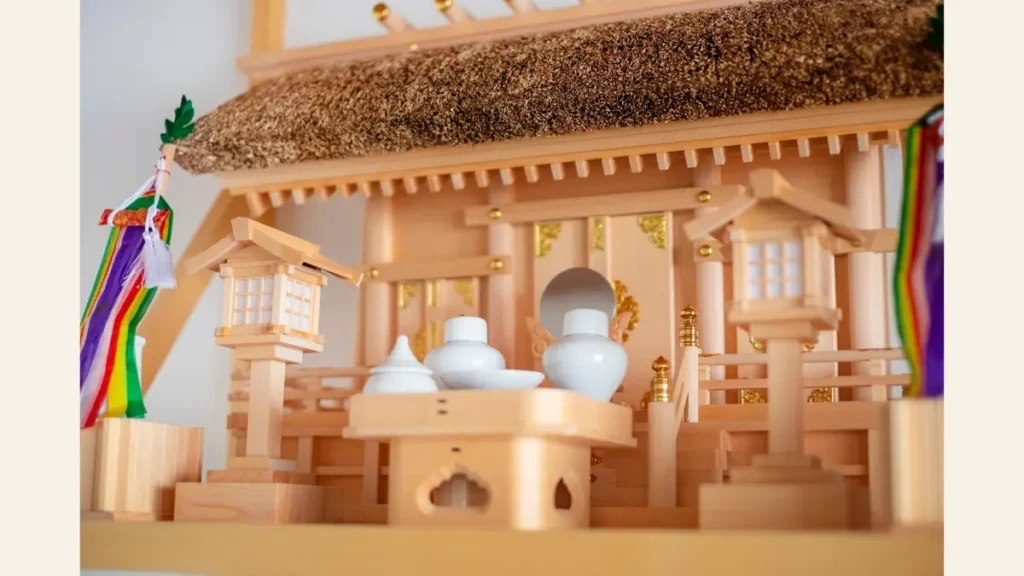
The word "osechi" originally comes from the word osechiku. Osechi is an event to offer offerings to the gods at seasonal festivals, and to offer thanksgiving and prayers.
Among these occasions, New Year’s Daystands out as a particularly important milestone—a time to welcome the New Year deity and offer prayers for safety and prosperity in the year ahead.
This is why the food we eat on New Year's Day includes
- offering to God
- Wishes for a year of good health, a bountiful harvest, and prosperity
This is the meaning of the word.
Why Is Osechi Prepared in Advance? — The Wisdom of “No Cooking” Days
Most Osechi dishes are made to last for a long time.
There is a reason for this. The three days of the New Year are,Use as little fire as possible and take a break from houseworkThe idea was that.
The idea of resting the kamado gods and spending time together with family members led to the creation of Osechi, a dish that can be preserved well.
In other words, Osechi is a dish prepared for not trying too hard.
The Meanings Behind Traditional Osechi Dishes

Each Osechi dish has its own auspicious meaning. However, since there are quite a few items, it may be a little difficult to remember them all (laughs).
Here are some of the most typical and memorable dishes.
- Kuromame|"Mameyaku" means to be energetic.
-
The "blister" of the black bean is not only diligence,Live a healthy, sober lifeIt also includes the meaning of
May you spend the year at your own pace, without overworking yourself. Perhaps one of the most important wishes is not to work too hard.
- Number of children|The future must go on.
-
The number of eggs is due to the large number of eggs,perpetuation of one's descendantsSymbols of the
This is not only a prayer that the family will grow, but also a prayer that the things that are important to us will be connected to the next generation. Memories and values are one of those things.
- Rice cultivation (Gomame)|Thankfulness for the abundance we take for granted
-
The small fish were used as fertilizer for the fields.bumper (abundant) cropThe dish has become a dish that wishes to
The fact that everyday life goes on properly. It is so obvious that we tend to forget it, but in fact, we are very grateful for it.
- Octopus|Wishes for "many blessings" and overcoming difficulties
-
Tako (octopus) is considered an auspicious ingredient because of its reddish-white color when cooked and its application of the character for "takko" (good fortune).
Also, in reference to the image of an octopus spitting ink and running away from enemies, "Overcome difficulties and hardships through smoke and mirrors.It also means "the best of the best".
The method of preparation differs depending on the region. It is generally used in osechi dishes as vinegared octopus north of the Kanto region and as umani in dishes south of the Kansai region.
- Red and White Namasu|A dish that symbolizes a wish for peace
-
Kohaku Namasu is a vinegared dish made with daikon radish and carrots. The beautiful contrast of red and white colors adds color to the Osechi dish.
The color and the shape of the shredded pieces resemble the red and white mizuhiki used in celebratory occasions,Wish for Peaceis included.
This connotation, which emphasizes harmony rather than strife, and serenity rather than pageantry, evokes the uniquely Japanese value of wanting to spend the year peacefully at this turning point of the year, the New Year.
Osechi, Past and Present — From Preserving Tradition to Making Choices
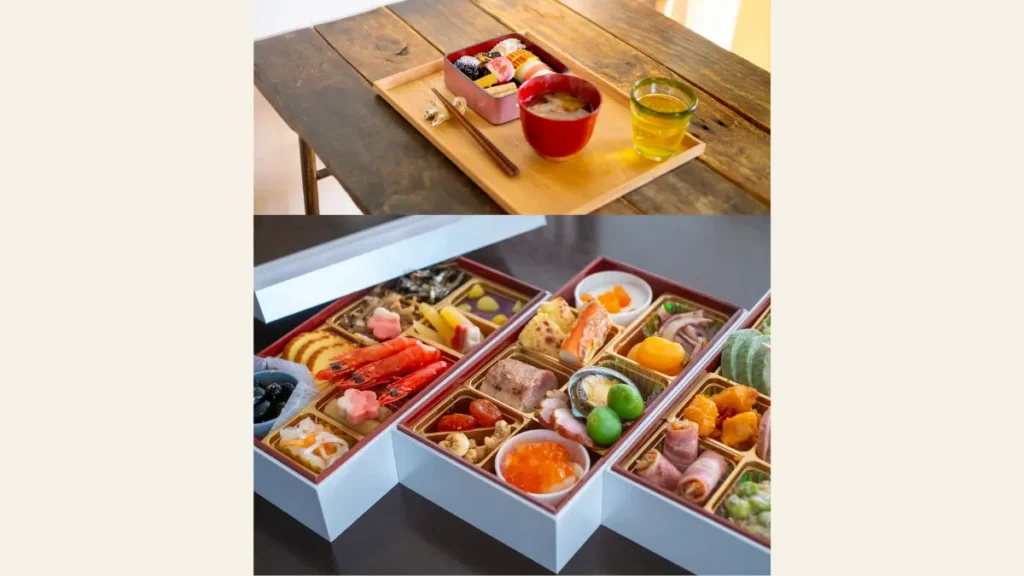
The former Osechi is,
- It was traditionally prepared at home.
- There was a fixed and expected form.
- Certain dishes were considered essential.
It was a culture that valued a certain type of mold.
On the other hand, the modern Osechi is changing its appearance little by little.
- You can buy it.
- You don't have to make it.
- You can eat as much as you like.
Osechi is not a rule to be followed, A culture where you can choose your own way.This is changing to a
You don't have to have everything, and you don't have to remember the meaning in detail. However, if you still have a sense that wishes are put into the dishes, you will see Osechi a little differently.
What do you want to value and what kind of year do you want to spend? It is natural that the answers to these questions differ from person to person. Osechi may be an opportunity to quietly consider the answer.
What Makes Japanese New Year Unique When Compared Globally
Countries around the world also have special New Year's dishes.
- Europe and America: Roasts and feasts
- Asia: dumplings, longevity noodles, fish dishes
Compared to them, Japanese Osechi is a little more distinctive.
In Japan,food is not just eaten—it carries wishes and meanings within it.The culture is strong.
Osechi is,A message to the future, a dish to eat quietly.It can also be said that
What Eating Osechi Means in Modern Times
In our busy lives, even New Year's can pass in a hurry. However, Osechi asks this question.
- Are you properly aware of the beginning of the year?
- Have you taken the time to stop for a moment?
For Osechi,A table to set your mind at the beginning of the yearThis is probably one of the most important aspects of the project.
Osechi is not something that anyone is forced to do or understand perfectly. There is no rule that says it must continue in the same form as in the past.
Still, at the turning point of New Year's Day, we pause for a moment and reflect on the year ahead. Osechi continues to quietly remain as an opportunity to do so.
How people greet the beginning of the year is unique to each person. That is why we can say that Osechi is a culture that is left to the heart of each person, not the way it should be.
Osechi is also a "dish," but in fact“Wishes and the culture to be passed on.”It is also itself. If you want to go a little deeper - here are two books that you will enjoy reading.
For those who want to get a good grasp of the culture and the basics.
The most detailed basic Osechi cuisine. --This is just the right book to build a foundation for understanding the standard, including the "why" of doing so.
“For those who want to feel ”Osechi passed down from generation to generation
Osechi (Kodomo no tomo picture book) --The easy words and pictures make the atmosphere and meaning of Osechi come easily. A type that sinks in for adults as well.
This page uses affiliate advertisements (including Amazon Associates).
*Inventory and prices are subject to change.
Summary — Osechi Is Not About “Right Answers,” but About Space
You may eat osechi, or you may choose not to.
What matters is**taking a moment to think about why**.
Osechi is not a rule to be followed.It is **a quiet cultural space** to reflect on how you want to begin the year..
May you welcome the new year in your own way.
Related Articles :
- How New Year’s Celebrations Differ Around the World — Traditions, Distance, and Values
- How Winter Differs Around the World — Real Seasonal Life in Japan and Eight Other Countries
- Are There Countries Without Autumn? — A Deep Dive into Seasonal Differences Between Japan and the World

On iPhone / iPad, go to Share → Add to Home Screen .
With a single tap, you can return to articles about Japanese culture and the changing seasons.
For moments when you want to pause and reflect, it will be right there.
*This article contains affiliate links. Although we may receive a commission if you purchase products from the links, the referrals and ratings are listed independently in accordance with our editorial policy.
